Seasonal Wildlife Conservation Efforts: What You Can Do This Spring


As spring arrives, nature awakens with vibrant life and activity. This season offers a perfect opportunity to engage in wildlife conservation efforts that help preserve the diverse ecosystems around us. Whether you're a seasoned conservationist or just starting, there are numerous ways you can contribute to the protection and nurturing of wildlife this spring.
Understanding Seasonal Wildlife Needs
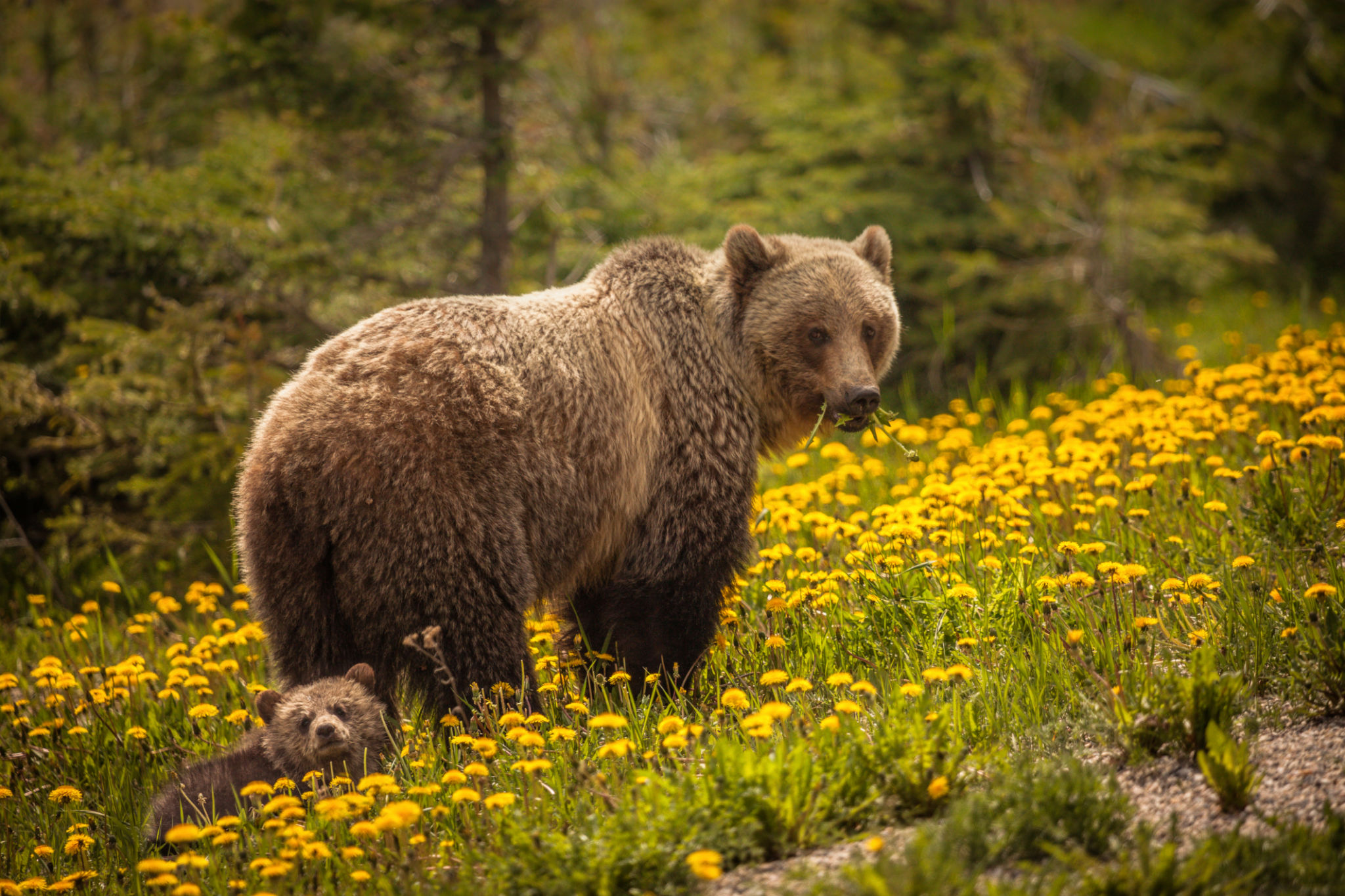
Spring is a critical time for many species as they emerge from hibernation or migrate back to their breeding grounds. Understanding the unique needs of wildlife during this season can guide your conservation efforts. For instance, many animals require safe nesting areas and abundant food sources to thrive.
Some species, like birds, are migrating back and need resting spots along their journey. Providing these essentials can significantly enhance their chances of survival and reproduction.
Creating a Wildlife-Friendly Garden
One effective way to support local wildlife is by transforming your garden into a sanctuary. Planting native species can provide essential food and shelter, supporting insects, birds, and small mammals. Consider adding a mix of shrubs, flowers, and grasses to create a diverse habitat.
Creating a water source, like a small pond or bird bath, can also attract wildlife. Make sure it's safe and accessible, with stones or shallow areas for smaller creatures.
Participating in Local Conservation Projects
Joining community conservation projects is a great way to make a broader impact. Many organizations offer volunteer opportunities, such as habitat restoration, tree planting, or wildlife monitoring. These activities not only help the environment but also educate and connect individuals with similar interests.

Reducing Pollution and Waste
Pollution poses a significant threat to wildlife. This spring, focus on reducing your ecological footprint by minimizing waste and using eco-friendly products. Simple actions like recycling, avoiding single-use plastics, and properly disposing of waste can make a substantial difference.
Participating in local clean-up events can also help preserve natural habitats, making them safer and more inviting for wildlife.
Educating Others
Spreading awareness about wildlife conservation is key to fostering a community of environmentally conscious individuals. Share your knowledge and passion with friends, family, and community members. Host workshops, lead nature walks, or use social media to highlight the importance of preserving wildlife.
By educating others, you're creating a ripple effect that can lead to more significant, widespread environmental benefits.
Monitoring Local Wildlife
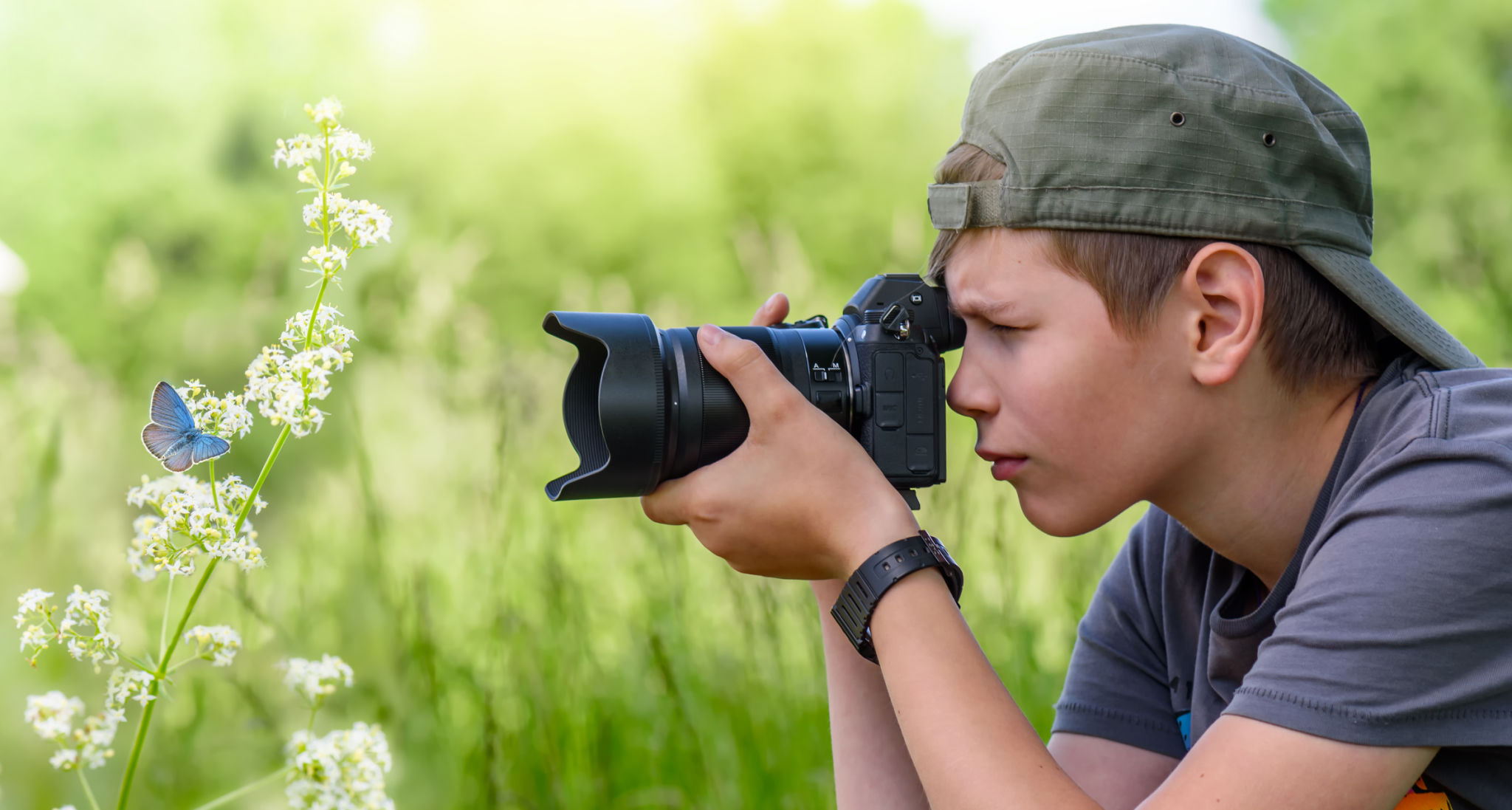
Monitoring local wildlife populations can provide valuable data for conservation efforts. Consider participating in citizen science projects, where you can document species sightings and behaviors. This information helps scientists understand trends and threats to wildlife, guiding future conservation strategies.
Whether you're observing birds in your backyard or tracking amphibians in local wetlands, your contributions are invaluable.
In conclusion, spring is a time of renewal and growth, not just for nature but also for our efforts to protect it. By engaging in these seasonal wildlife conservation activities, you help ensure a thriving environment for generations to come. Let's embrace the season with a commitment to nature and its remarkable inhabitants.