Seasonal Wildlife Care: Preparing for Springtime Challenges


Understanding Springtime Wildlife Needs
As winter fades away, wildlife emerges with new energy and challenges. Spring is a critical time when many animals awaken from hibernation, begin nesting, or start their migration journeys. During this period, animals require extra care and attention to ensure they thrive in their natural habitats.
With the changing environment, food sources become more abundant, but so do potential threats. Understanding the unique needs of various species during this transition can help us provide proper assistance and protection.

Providing Food and Shelter
One of the simplest ways to support wildlife during spring is by providing food and shelter. As plants begin to bloom, natural food sources increase, but supplemental feeding can still be beneficial, especially for birds and small mammals.
- Offer bird feeders with seeds and suet to support returning migratory birds.
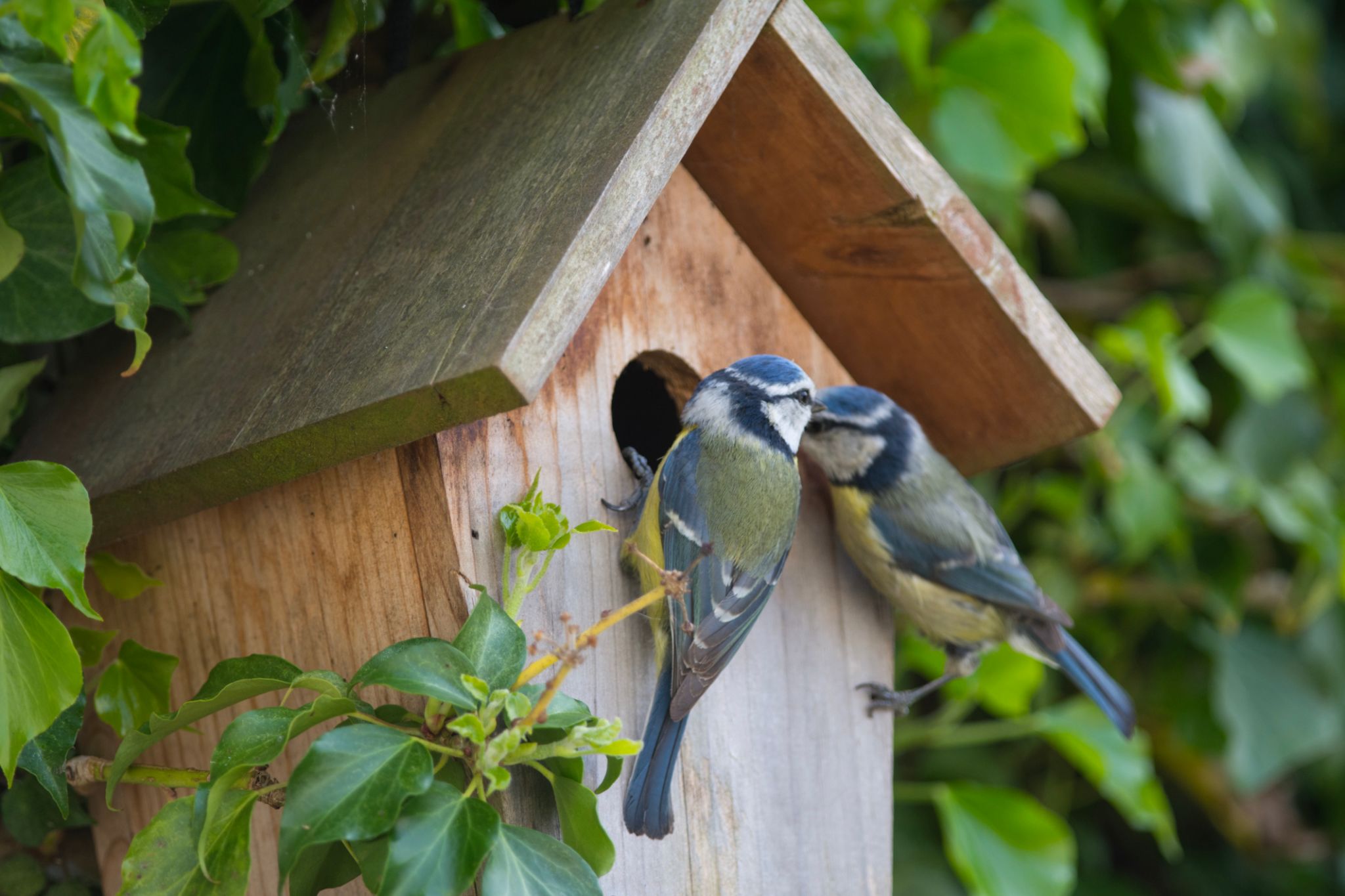
- Install nesting boxes to provide safe places for birds to lay eggs.
- Create brush piles or leave natural debris for small animals to use as shelter.
These small actions can make a significant difference in helping wildlife adapt to the seasonal changes.
Understanding Wildlife Behavior
Springtime is also breeding season for many species, leading to increased activity and territorial behavior. Understanding these patterns can help prevent human-wildlife conflicts.
It's important to recognize signs of nesting and give wildlife plenty of space to reduce stress and ensure successful breeding. Observing from a distance with binoculars is a great way to enjoy wildlife without disturbing them.
Handling Orphaned or Injured Wildlife
During spring, you may come across seemingly orphaned or injured wildlife. It's crucial to assess the situation before intervening. Often, young animals are left alone temporarily while their parents forage for food.
- Observe from a distance to determine if parents return.
- Contact a wildlife rehabilitator for advice if the animal is injured or in distress.
- Avoid handling wildlife, as human scent can deter parents from returning.
Intervening only when necessary ensures the best chance of survival for young wildlife.
Contributing to Conservation Efforts
Beyond individual actions, contributing to larger conservation efforts can have a lasting impact. Supporting local wildlife organizations and participating in community clean-ups can help preserve habitats and protect biodiversity.

Consider volunteering with local wildlife groups or donating to causes that focus on habitat preservation. Every effort counts in creating a sustainable environment for future generations of wildlife.
As we embrace the beauty of spring, let's commit to nurturing and protecting the wildlife that shares our world. With informed actions and a mindful approach, we can ensure that all creatures have the opportunity to flourish during this vibrant season.