Myths About Endangered Species: What You Need to Know


The topic of endangered species often prompts a flurry of misconceptions and myths. Understanding the realities of endangered species is crucial for effective conservation efforts. Let's explore some common myths and the truths behind them.
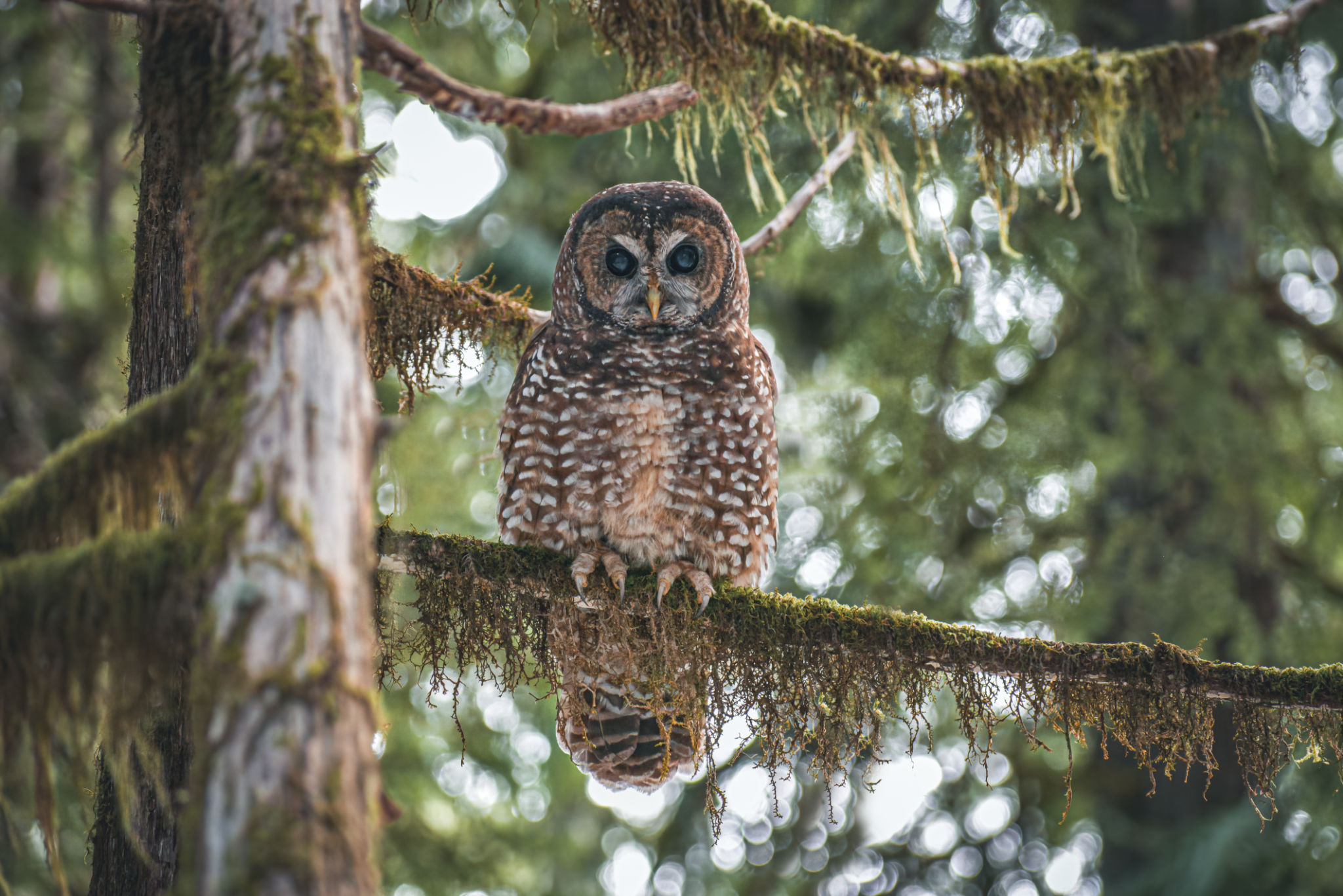
Myth 1: Endangered Species Can Be Saved Solely by Captive Breeding
Many people believe that breeding endangered animals in captivity is a foolproof way to save them. While captive breeding can be a valuable tool, it is not a standalone solution. Habitat preservation and addressing the root causes of endangerment, such as poaching and climate change, are essential for long-term survival.
Captive breeding programs must be carefully managed to ensure genetic diversity and successful reintroduction into the wild. Without addressing habitat destruction, these efforts may be in vain.
The Importance of Habitat Conservation
Conserving the natural habitats of endangered species is crucial. Without suitable environments, reintroduced animals may struggle to survive. Efforts must focus on protecting these areas from human encroachment and environmental threats.

Myth 2: Endangered Species Are Only Found in Exotic Locations
Another common myth is that endangered species are exclusive to remote or exotic locations. In reality, endangered species can be found all over the world, including in your own backyard.
For example, the red-cockaded woodpecker is an endangered species native to North America, highlighting that endangerment is a global issue, not confined to distant lands.
Local Conservation Efforts
Engaging in local conservation efforts can have a significant impact. Supporting local wildlife reserves and participating in community initiatives are effective ways to contribute to the protection of nearby endangered species.

Myth 3: All Endangered Species Are Large Animals
When people think of endangered species, they often picture large animals like elephants or tigers. However, many endangered species are small or even microscopic, such as certain insects and plants.
The loss of these smaller species can have profound effects on ecosystems, as they often play crucial roles in maintaining ecological balance. Protecting biodiversity means safeguarding all species, regardless of size.
The Role of Biodiversity
Biodiversity is essential for ecosystem health. Each species, no matter how small, contributes to the stability and resilience of their environment. Conservation efforts must consider the entire ecosystem to be truly effective.

Myth 4: There's Plenty of Time to Act
One of the most dangerous myths is that there is plenty of time to address the issue of endangered species. The truth is, immediate action is often necessary to prevent irreversible damage.
Many species face critical threats that require urgent intervention. Delaying action can lead to extinctions, disrupting ecosystems and diminishing biodiversity.
Taking Action Now
Individuals and communities can make a difference by supporting conservation organizations and advocating for policy changes that protect endangered species. Every effort counts in the fight to preserve our planet's biodiversity.