Debunking Myths About Wildlife Conservation and Humane Treatment


Understanding Wildlife Conservation
Wildlife conservation is a crucial effort to protect endangered species and their habitats. However, there are several misconceptions that often cloud public understanding. By addressing these myths, we can foster a more informed and effective approach to conservation.

Myth 1: Conservation Only Protects Animals
One common myth is that conservation efforts solely focus on protecting animals. In reality, conservation is about maintaining entire ecosystems, which includes plants, water sources, and other natural resources. Protecting these elements ensures a balanced environment where both flora and fauna can thrive.
Myth 2: Conservation Is Only for Exotic Species
Many believe that conservation only targets exotic or charismatic species like tigers, elephants, or pandas. However, conservation efforts extend to all species, including those that are less well-known but play vital roles in their ecosystems. Local species often need protection to maintain biodiversity and ecological balance.
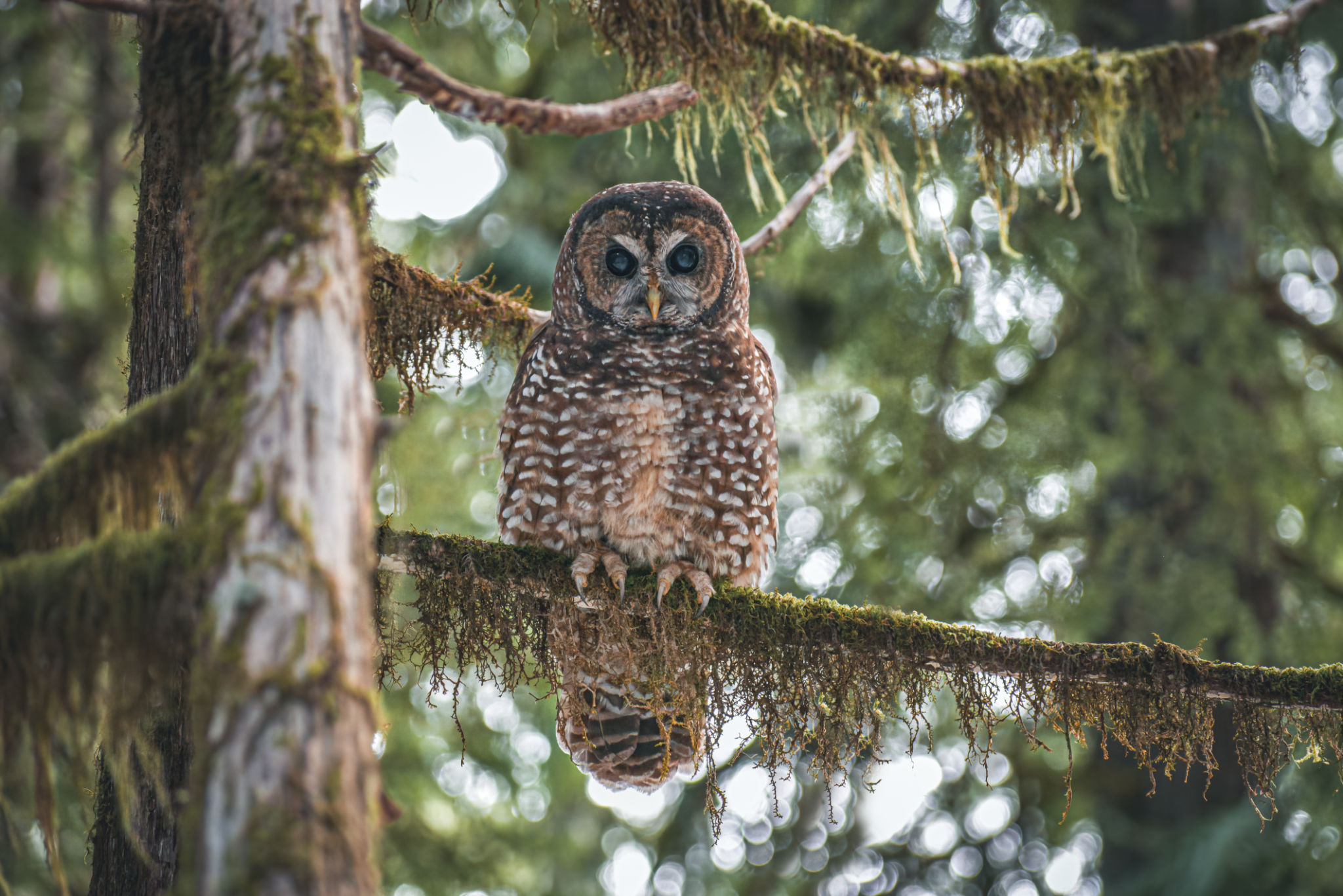
The Role of Humane Treatment
Humane treatment of wildlife is an integral part of conservation. There are misconceptions that humane treatment is secondary to conservation goals, but it is essential for ethical and effective conservation practices.
Myth 3: Captivity Is Always Harmful
While captivity can be detrimental in some cases, it can also provide safe environments for breeding programs and rehabilitation. Many species have been saved from extinction due to well-managed captive breeding efforts. The key is ensuring that captivity serves the species' long-term survival and well-being.

Myth 4: Conservation Is Anti-Human
Another myth is that conservation efforts are against human interests. In truth, conservation and human activities can coexist and benefit each other. Sustainable practices, such as eco-tourism and community-based conservation, empower local communities while protecting wildlife.
How You Can Help
Everyone can contribute to wildlife conservation and humane treatment. Here are some ways you can make a difference:
- Support organizations dedicated to conservation efforts.
- Promote awareness about the importance of biodiversity.
- Adopt sustainable practices in your daily life.
By debunking these myths, we can better understand the importance of wildlife conservation and humane treatment, ensuring a healthier planet for future generations.